Family history research in the countries of the former Yugoslavia requires patience, flexibility, and an understanding of how historical circumstances shaped the survival and location of records. Before turning to archives, it is essential to begin with the most important source of all: your own family.
Start with your home archive
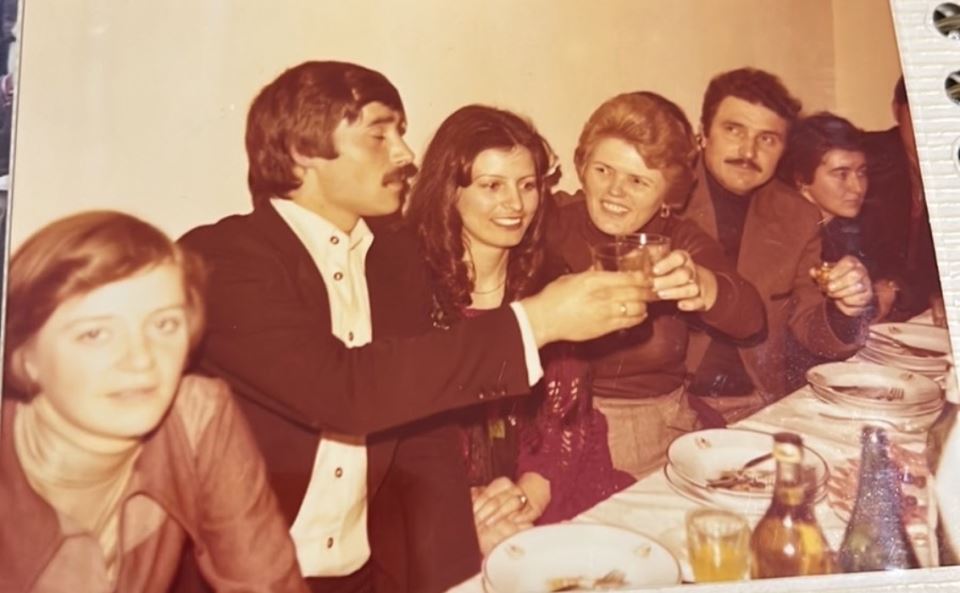
Every family tree research starts at home. From the home archive, literally from ID cards, passports and driver’s licenses. So, the already existing home legacy, which includes personal and family documentation, photographs and family albums, and other household items of family members intended for both personal and joint use.
Gather official and unoffical documents as well: extracts from civil registers, certificates, letters, military booklets, school records, land registry extracts, wills, court decisions, prayer books, etc.
Try to establish:
-
Full name(s) of the person or family you are researching
-
Approximate dates (birth, marriage, death, migration)
-
Place of origin — ideally village, then parish, then district
-
Confession, which often determines what type of records exist
Speak with (older) relatives and record their memories, even if details seem uncertain. In the Balkans, oral tradition frequently preserves information about village origins, kinship ties, migrations for work (pečalba), patron saints (slava), or former surnames. Such clues are often essential for identifying the correct records.
Visiting cemeteries can also provide valuable evidence, including birthplaces, family groupings, and older surname forms.
Not everyone was recorded, and not everyone was literate. Gaps are normal. Even partial information can be enough to begin.
Understanding the historical setting
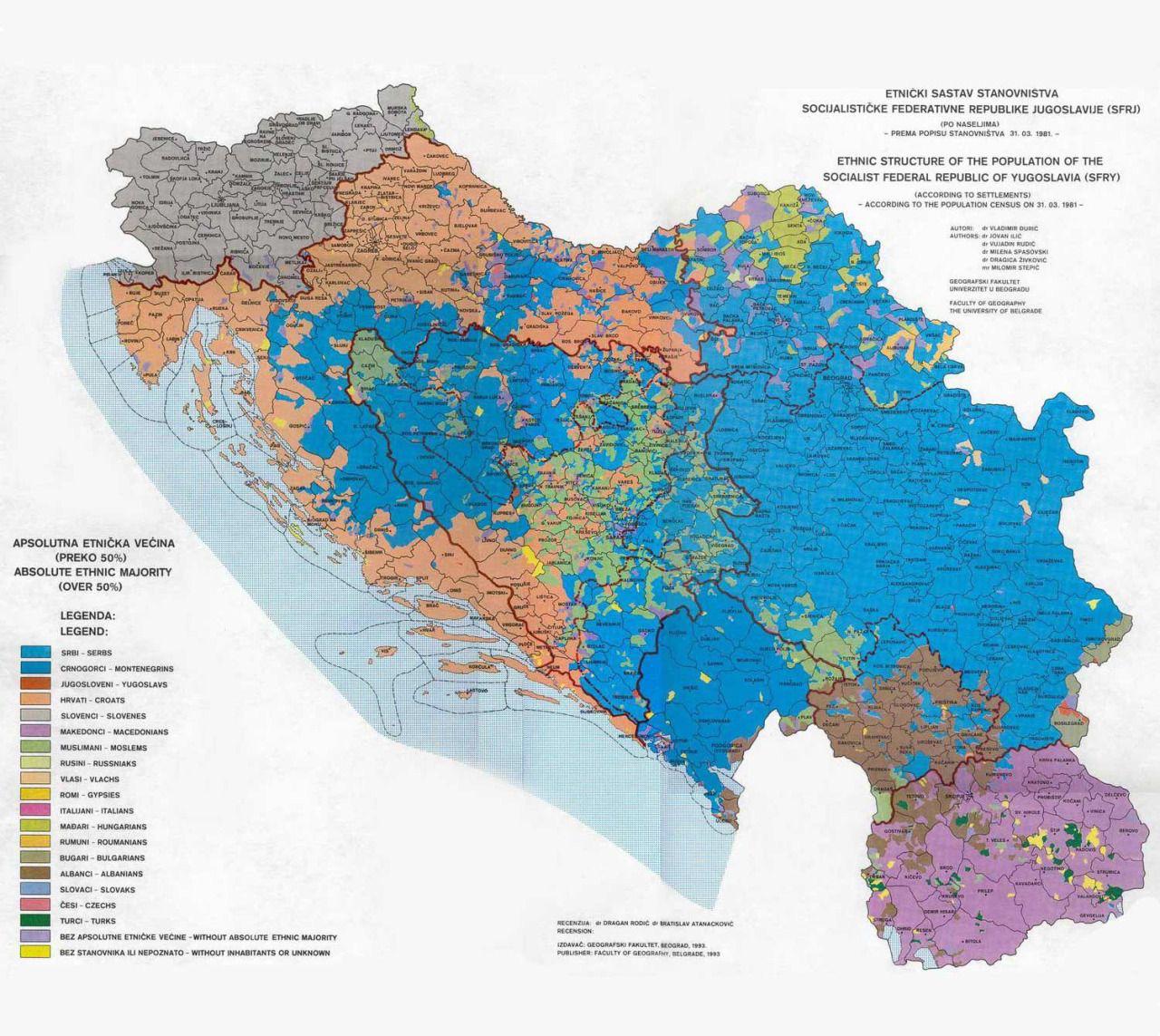
Yugoslavia was not a long-standing state, but a 20th-century political framework that brought together regions with very different administrative pasts: Slovenia, Croatia, Bosnia and Herzegovina, Serbia, Montenegro, Kosovo, and North Macedonia.
Earlier records may have been created under the Ottoman Empire, Austria-Hungary, Venice, Serbia, Bulgaria, or other authorities.
As a result:
-
Records relevant for your research may be preserved in several different countries
-
Place names may have changed multiple times
-
Administrative divisions (vilayets, districts, counties, banovinas, republics) shifted frequently
Understanding these changes is essential for locating the correct archive and interpreting documents accurately.
Main types of genealogical sources
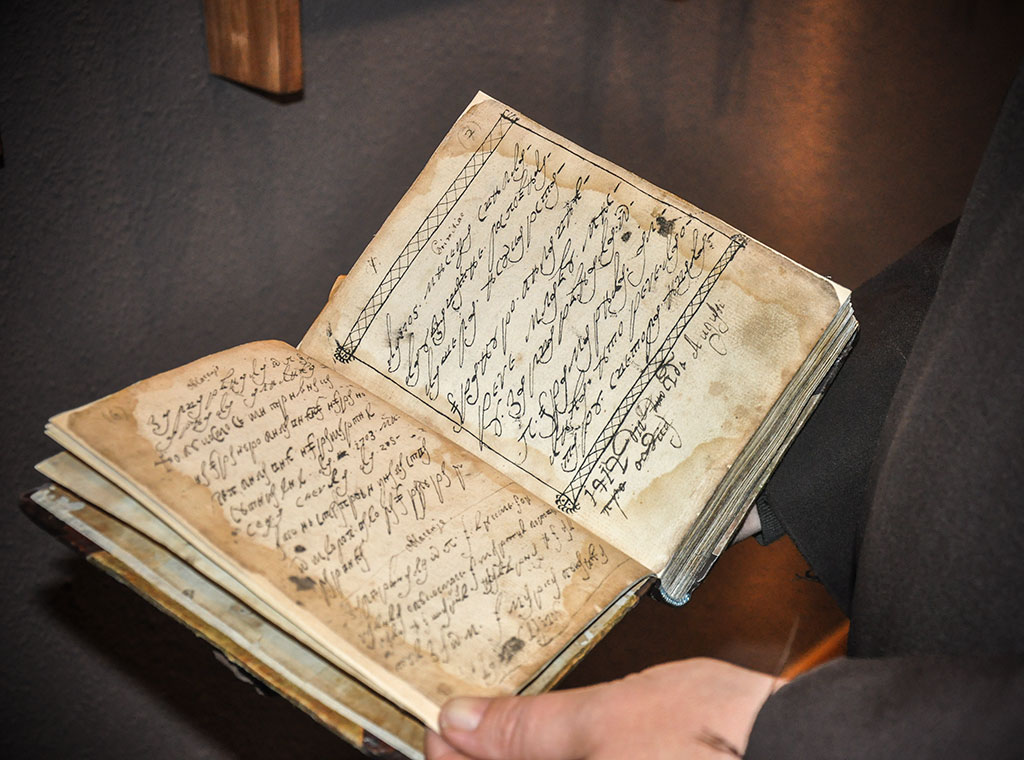
Family history research in this region relies on several core source groups:
Church registers – Baptisms, marriages, and burials are the principal sources before the introduction of civil registration. Orthodox, Catholic, Muslim, and Jewish communities kept separate records.
Civil registers – State registration of births, marriages, and deaths was introduced gradually, often only in the late 19th or 20th century, and became universal after the Second World War.
- More about Archives & Church Records
Census and population lists – Periodic enumerations, household lists, and tax registers can provide information on family composition, age structure, occupation, and residence.
Military and war records – Conscription lists, service files, and wartime documentation often contain personal details not found elsewhere.
- More about Census Lists & War Records
Family names – In addition to these records, several handbooks and publications have appeared regarding surnames, their origins, and distribution.
- More about Family Names & Lineages
Various online research tools, databases, genealogical websites, working groups, and other sources are very helpful for family history research. There are Slovenian, Croatian, and Serbian genealogical societies that one can join to acquire and exchange knowledge.
- More about Research Tools & Links
Ex-Yugoslav genealogy is cumulative. No single source is sufficient on its own. Reliable results emerge from comparing and cross-reading church registers, population lists, land records, military files, and published scholarship — rarely from a single source.
- See the guide How to Read Ex-Yugoslav Genealogical Records about scripts, dates, and common record formulas.
A typical research path
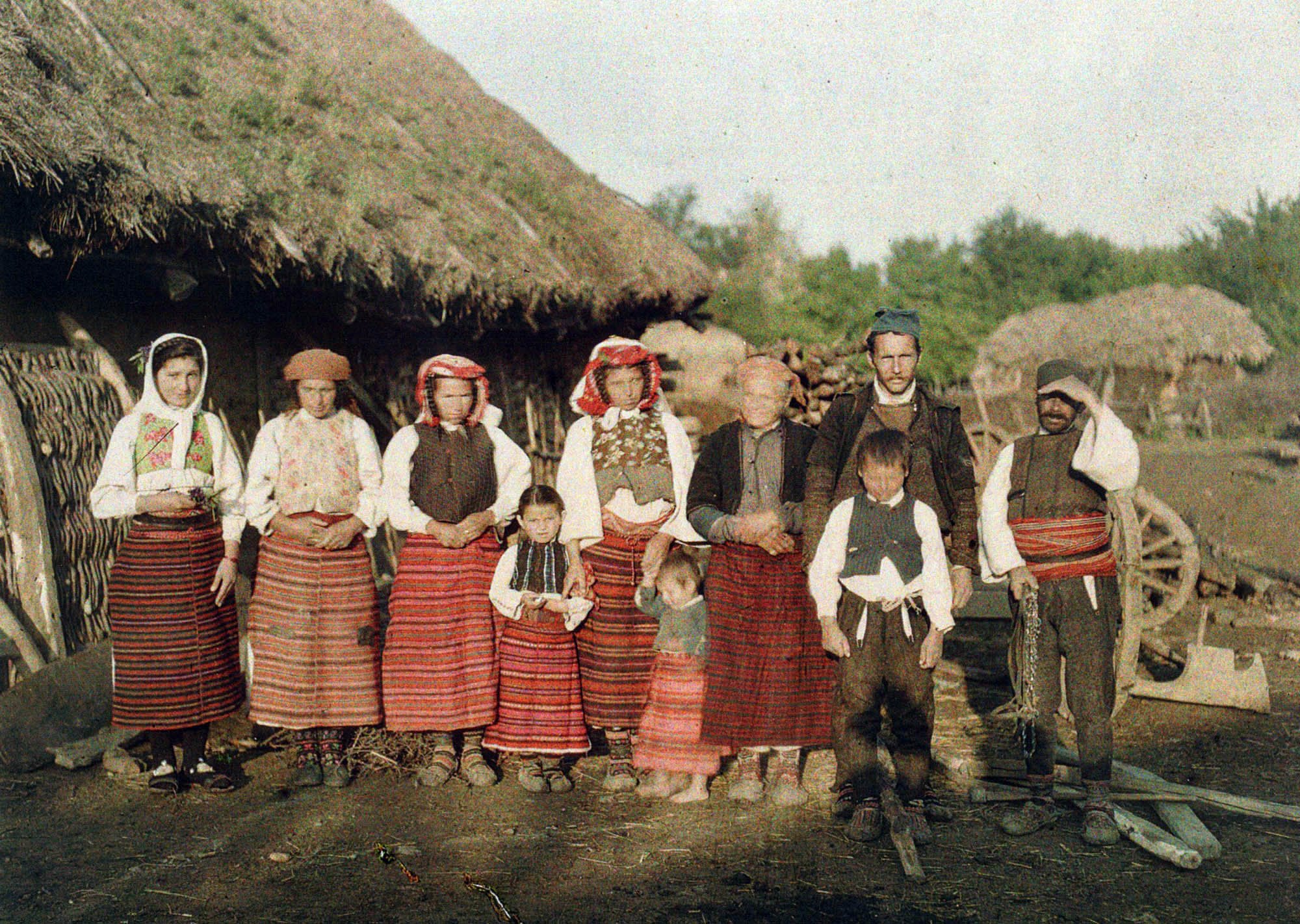
Although each case is unique, most research follows a similar sequence:
-
Identify the place of origin as precisely as possible
-
Determine the family’s religious affiliation
-
Establish which archive, parish, or institution holds the relevant records
-
Check available online databases and digitized materials
-
Contact the archive or parish for access, copies, or research services
Progress is often gradual. Family history in this region rarely unfolds in a straight line.
It is built step by step from memory, documents, and historical context — but even small discoveries can reconnect families with places and stories that might otherwise be lost.
Records may be incomplete, damaged, or missing for certain years. Persistence and careful cross-checking are key.
Last edited: 21.03.2026.
 Ex-Yu Genealogy